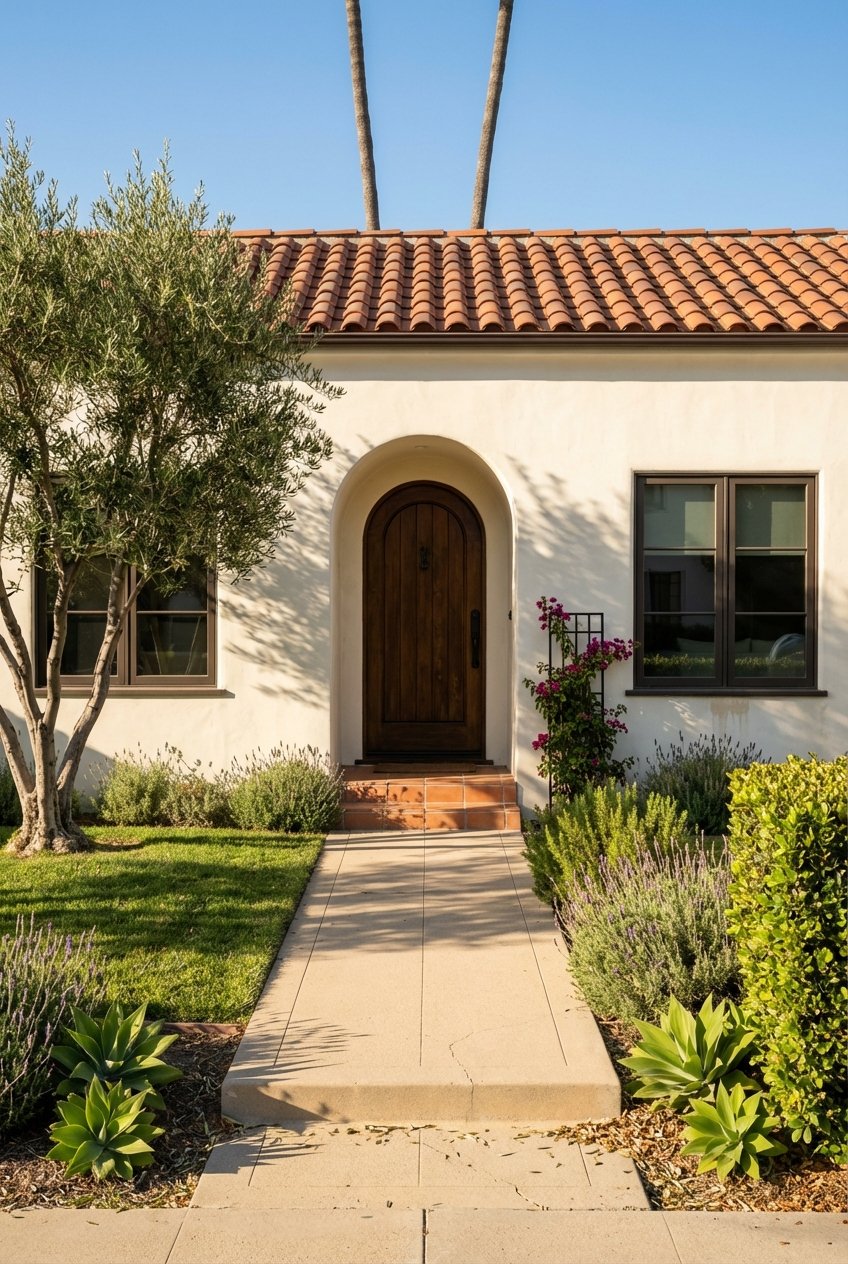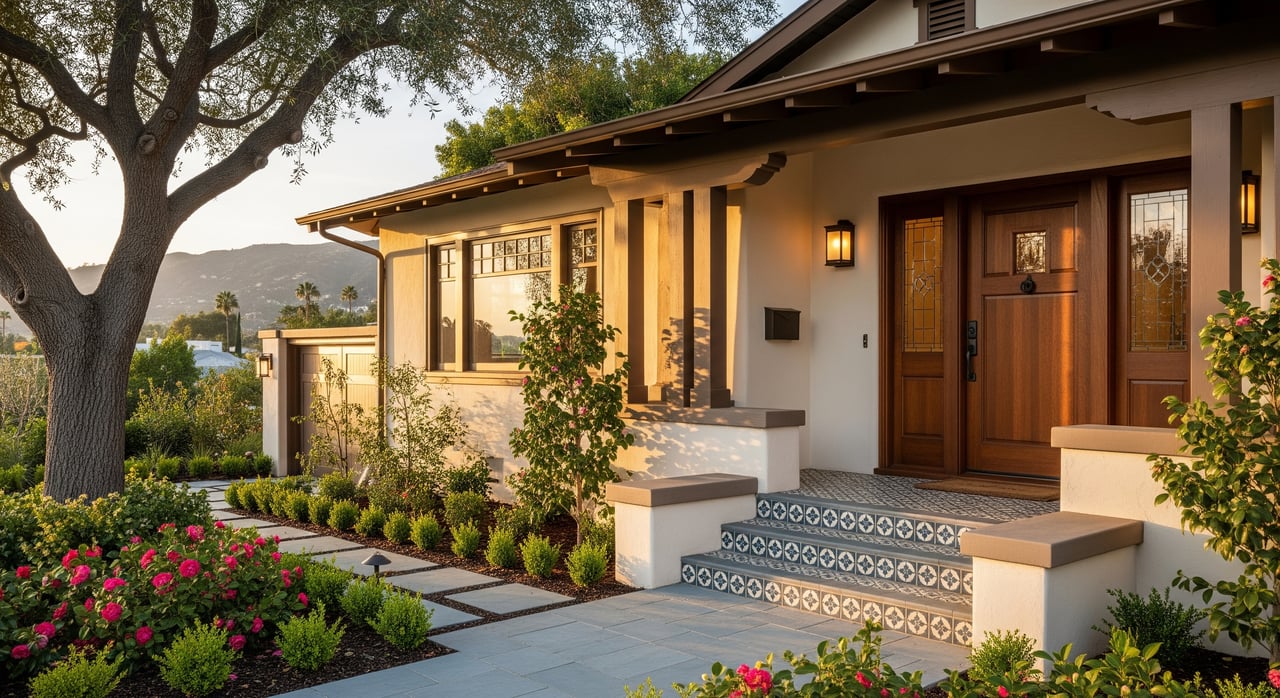
Drawn to Pasadena’s Craftsman bungalows and Spanish Revival gems? If you love original built‑ins, vintage windows, and tree‑lined streets, a historic home here can be a perfect fit. But buying one comes with specific rules, review steps, and smart financial moves that you should know before you write an offer. This guide breaks down what “historic” means in Pasadena, how design review works, typical renovation issues, and potential tax perks so you can buy with clarity. Let’s dive in.
What “historic” means in Pasadena
Not every older home has the same rules. In Pasadena, “historic” can mean a few different things, each with its own impact on your plans:
- Local landmark designation: City‑designated landmarks typically trigger local design review for exterior changes and demolition proposals.
- Local historic district: Homes inside a district usually need compatibility review for exterior work visible from the street.
- Local inventory or survey listing: Being on an inventory flags the property for review but often has fewer automatic restrictions.
- State or National Register listing: Mostly honorific for private owners. These listings do not, by themselves, block changes unless state or federal funds or permits are involved. Local rules still govern.
Design guidance often references the Secretary of the Interior’s Standards for Rehabilitation, with Pasadena’s staff and local guidelines shaping material, scale, and treatment expectations. The city’s Historic Preservation staff and review commission handle historic approvals, while Building & Safety issues permits after historic clearance.
Where buyers look in Pasadena
- Bungalow Heaven: A celebrated concentration of Craftsman bungalows with a strong historic district character and active neighborhood association.
- Old Town Pasadena: A historic commercial core with adaptive‑reuse buildings and mixed uses. Rules differ from single‑family districts.
- Madison Heights: An older residential area with many period homes and varied levels of designation.
These neighborhoods deliver the architectural character many buyers want. They can also mean more review for exterior changes, especially if your home is designated or inside a local district.
Rules that affect your plans
When review is required
Expect historic review for:
- Demolition, full or partial, of a designated resource or a home inside a district.
- Exterior changes visible from the public right‑of‑way, including window replacement, roofing changes, siding, porches, and some paint colors in specific districts.
- Additions or new construction on a lot in a historic district.
- Certain structural or mechanical work if it alters historic fabric or the look of the home.
Who reviews and how it works
Minor, compatible repairs may qualify for staff‑level approval. Larger projects often require a public hearing before the preservation commission. Typical submittals include photos, measured drawings, a narrative that shows how the work meets local standards, and material samples.
Historic review adds time. Build in extra weeks to months beyond standard permits, depending on complexity and whether a hearing is required. Fees can be higher due to discretionary review on top of building permit costs.
Renovation realities you should plan for
Windows and doors
Cities often prefer repair over replacement. Energy upgrades may favor weatherstripping, storm windows, or historically compatible replacements instead of wholesale swaps. Plan early so performance goals and preservation standards align.
Structure, systems, and safety
Budget for foundation and seismic needs, especially with older or unreinforced elements. Older homes may include lead paint, knob‑and‑tube wiring, and aging plumbing. Specialized inspections and contractors with historic experience are essential.
Additions and new work
Scale, massing, and materials should complement the original structure, especially for street‑facing work. Expect closer scrutiny for prominent façades and character‑defining features like porches, chimneys, and visible rooflines.
Financial perks and costs
Mills Act basics
California’s Mills Act allows cities to offer property tax reductions for qualified historic properties in exchange for a preservation contract. Savings can be substantial, though results vary by property and assessor methodology. Contracts are recorded against the property, transfer with title, and include maintenance obligations.
What to know as a buyer:
- Eligibility, application windows, and priorities are set locally.
- A recorded contract stays with the home, and you must accept the obligations.
- Savings are not guaranteed. They depend on local assessment practices and market conditions.
- Contact Pasadena’s Planning/Preservation staff and the Los Angeles County Assessor early if you plan to apply or if a property already has a contract.
Other incentives
State and federal rehabilitation tax credits generally target income‑producing properties, not owner‑occupied single‑family homes. Limited grants or low‑interest loans for historic work appear periodically, and energy or seismic programs may help with upgrades. Check current availability with Pasadena and state resources.
Budget, insurance, and resale
Restoring historic fabric often costs more than like‑for‑like replacement due to specialized labor and materials. Insurance may be higher for older homes and original systems; specialty carriers can help. Designation can boost appeal for buyers who value authenticity, while added review may deter those seeking unrestricted renovations.
Due diligence roadmap
- Confirm designation: Ask for any landmark resolutions, district documents, or inventory listings. Verify status with Pasadena’s Historic Preservation staff.
- Review title items: Look for recorded Mills Act contracts, easements, or covenants.
- Pre‑screen your project: Share your planned work with city staff to learn if it needs discretionary review.
- Order specialized inspections: Structural, electrical, lead paint, and termite. Get a contractor experienced in historic rehabilitation to price the work.
- Check permit history: Request prior permits and approvals. Unpermitted changes can complicate new work.
- Plan offer contingencies: Include time and terms for historic‑review confirmation and cost estimates. Align closing timelines with permit realities.
- Talk to insurers and lenders: Confirm requirements, including possible seismic or hazard mitigation.
Smart offer strategies for historic homes
- Add a historic‑review contingency if you plan exterior work or an addition.
- Extend inspection periods to complete specialized evaluations and contractor walkthroughs.
- Request seller disclosures on prior approvals and any active Mills Act obligations.
- Build a realistic budget and schedule into your decision, including fees and potential hearing timelines.
Work with a team that knows preservation
Buying a historic home is part architecture, part process management. You will benefit from a partner who can navigate designation rules, coordinate the right inspections, and forecast timelines and costs with clear communication. If you want white‑glove buyer representation, thoughtful strategy, and access to curated opportunities across Greater Los Angeles, connect with Razmick Ohanian. You will get boutique, data‑driven guidance backed by a global luxury platform.
FAQs
What permits do I need for a historic home in Pasadena?
- Exterior changes visible from the street, additions, and demolition typically require historic review before building permits are issued. Confirm requirements with city staff.
Does National Register listing restrict my Pasadena renovation?
- National Register status is largely honorific for private owners. Local designation and ordinances determine what is reviewed and approved.
How long does historic design review take in Pasadena?
- Plan for additional weeks to months beyond standard permits, depending on scope and whether a public hearing is required.
Can I replace original windows for energy efficiency?
- Cities often prefer repair over replacement and may allow storm windows or compatible replacements. Confirm acceptable approaches with local guidelines.
What is a Mills Act contract and does it transfer?
- It is a property tax reduction program tied to a recorded preservation contract. The contract runs with the property and transfers to the buyer with obligations.
What contingencies should I include when buying a historic home?
- Include contingencies for historic‑review feasibility, specialized inspections, budget estimates, and timeline verification before removing contingencies.