What if you understood Pasadena’s housing market well enough to make your next move with confidence? Whether you’re planning to buy, sell, or simply time the market, a clear view of pricing, inventory, and neighborhood patterns can save you money and stress. In this guide, you’ll learn how Pasadena’s market works, what drives demand and supply, and how to navigate list-to-sale pricing and days on market. Let’s dive in.
Pasadena market basics
Pasadena tends to trade at a premium compared with many parts of Los Angeles County because of its walkable retail core, cultural amenities, and proximity to major institutions. City-level averages can be misleading, though. Micro-neighborhoods behave differently based on housing type, age, and access to transit and services. That is why you want to watch a few core indicators in the areas you care about most.
Key metrics to watch
Understanding these metrics will help you read the market and act with confidence.
- Median sale price: A directional gauge of recent closed sales. It shifts with the mix of homes sold, such as condos vs single-family.
- Price per square foot: Helps compare value between neighborhoods and housing types.
- Inventory and Months of Inventory (MOI): MOI under 3 months usually signals a seller’s market, 3 to 6 is balanced, and over 6 favors buyers.
- List-to-sale price ratio: Above 100 percent suggests overbids and multiple offers; under 98 percent signals room to negotiate.
- Days on Market (DOM) and pending ratio: DOM shows how fast homes go under contract. The pending ratio (pending sales divided by active listings) shows near-term demand strength.
- Absorption rate: Monthly sales divided by active inventory. Higher absorption means faster-moving markets.
What drives demand in Pasadena
Several forces sustain year-round buyer interest.
- Employment anchors: Caltech, regional research centers, health care, and professional services draw stable, higher-income buyers.
- Amenities and lifestyle: Old Pasadena retail and dining, cultural institutions, and outdoor access in the Arroyo Seco support strong demand.
- Transit access: Rail and bus connections to Downtown LA and other job centers help many commuters.
- Investor interest: Condos and multifamily near transit and commercial corridors often attract investors and first-time buyers.
What limits supply in Pasadena
Supply is constrained by both the built environment and policy.
- Housing stock and zoning: Historic single-family neighborhoods, mid-century homes, and infill condos shape the mix. Preservation overlays can restrict tear-downs and higher-density redevelopment.
- Land scarcity: Established neighborhoods offer limited infill opportunities, especially for single-family homes.
- Permitting and design review: Local processes and preservation goals can lengthen timelines, which effectively limits rapid supply growth. Explore local policy context through the City of Pasadena’s planning and housing pages.
- Mortgage rates: Rate moves change buyer purchasing power, which can quickly shift competition levels.
Neighborhood micro-markets
Each Pasadena area has its own tempo. Focus on recent sales and active inventory where you want to live or sell.
Old Pasadena and Playhouse District
These walkable cores offer more condos and townhomes, plus quick access to retail and dining. When inventory is tight, well-priced units can see faster DOM and stronger list-to-sale performance. Investor and first-time buyer activity is common here.
Bungalow Heaven, Madison Heights, East of Lake
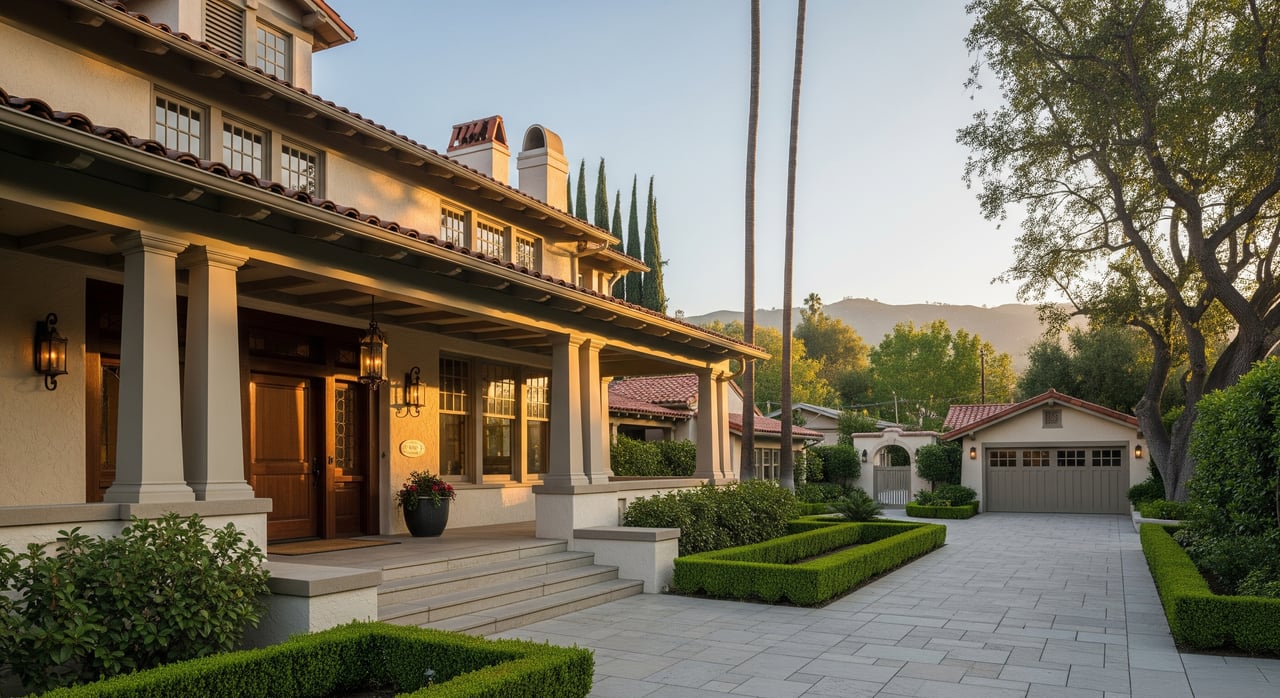
Historic single-family neighborhoods with many Craftsman-era homes often command premiums for architectural integrity. Buyers weigh renovation costs and historic guidelines alongside price per square foot. Inventory scarcity can drive competitive offers in peak seasons.
Near Arroyo, South Arroyo, Hastings Ranch
Single-family homes on larger lots attract buyers seeking outdoor space and proximity to trails and parks. Buyers tend to focus on lot utility and property condition. When pricing aligns with recent comps, DOM can stay moderate even in slower seasons.
Northwest, Linda Vista, San Rafael
A mix of single-family and multifamily creates varied price points, including some more entry-level options for the city. Inventory can be a bit deeper compared with central neighborhoods. Sellers benefit from refreshed presentation and transparent pricing to stand out.
Condo and multi-unit corridors
Condos and smaller multifamily buildings cluster near transit and commercial hubs. These areas see a mix of owner-occupants and investors. Price per square foot and HOA factors matter more here, and list-to-sale ratios can swing quickly with mortgage rate changes.
Seasonality and timing
Pasadena’s rhythms look familiar but not identical to the broader LA metro.
- Spring: Peak listing and buyer activity. Multiple offers are more likely when inventory is moderate.
- Early summer: Continued momentum with many closings as spring escrows finish.
- Late summer and early fall: Activity softens a bit, yet well-prepared listings still attract solid offers.
- Late fall and winter: Fewer competing buyers. DOM typically lengthens and list-to-sale ratios may dip.
If you are listing, late winter through spring is often the best window, but great pricing and presentation can outperform the calendar. If you are buying, off-peak months can offer more negotiating power and less competition.
List-to-sale pricing and DOM
Your pricing and timing strategy should reflect current list-to-sale and DOM patterns.
- Balanced conditions: List-to-sale ratios often sit around the high-90s to just above 100 percent. Properly priced homes still close at or near list.
- Competitive stretches: Overbids are more common, especially for updated homes in central, walkable locations.
- Cooler pockets: Ratios below 98 percent signal room for concessions or price reductions. High-end or unique homes may take longer to find the right buyer.
- DOM ranges: Hot submarkets can see median DOM under 30 days; balanced areas often sit around 30 to 60; specialty or luxury properties can extend longer. Remember, DOM definitions vary by listing system.
Buyer strategies that work
Use data and preparation to move with confidence.
- Track MOI and pending ratios in your target neighborhoods to gauge leverage.
- Review 6 to 12 months of comparable sales to understand price bands and seasonality.
- Get clear on renovation risk and HOA factors, especially for historic homes and condos.
- Be ready to act in tighter pockets with complete pre-approval and a plan for appraisal and inspection contingencies.
Seller strategies that win
A thoughtful plan can lift your final price and reduce time on market.
- Price to today’s comps, not last year’s highs; use recent closed sales from the last 30 to 90 days.
- Prepare for market: repairs, light updates, staging, and professional media can boost list-to-sale outcomes.
- Time your launch strategically. Spring is strong, but well-presented listings can perform in any season.
- Anticipate concessions in slower periods and adjust strategy quickly if showings lag.
Where to check current data
For live, local context, combine trusted public sources with agent-grade MLS insights.
- Review monthly county-level trends from the California Association of Realtors research page.
- Explore Pasadena’s planning and housing information, including permits and policy updates, on the City of Pasadena website.
- Confirm property and tax details through the Los Angeles County Assessor.
- For demographics and housing stock context, use U.S. Census QuickFacts for Pasadena.
Ready to align your move with Pasadena’s market rhythm? If you want data-driven guidance, polished marketing, and personal advocacy, connect with Razmick Ohanian for a tailored strategy that fits your goals.
FAQs
What should Pasadena buyers watch first?
- Track Months of Inventory, recent list-to-sale ratios, and DOM in your specific neighborhood and price band to gauge leverage and speed.
How do Pasadena seasons affect pricing?
- Spring often brings more listings and multiple offers, while late fall and winter usually see longer DOM and more room to negotiate.
Are historic homes harder to buy in Pasadena?
- They can require added diligence for renovations and preservation rules, but they also command premiums for architectural character.
How much over list should I offer in Pasadena?
- Base your offer on recent comparable sales and current list-to-sale ratios in the micro-area, and plan for appraisal and inspection contingencies.
When is the best time to list in Pasadena?
- Late winter through spring is often strongest, yet pricing to today’s comps and great presentation can outperform timing.
How long does a Pasadena sale usually take?
- It varies by micro-market, but plan for the neighborhood’s median DOM plus a typical 30 to 45 day escrow, adjusted for financing and contingencies.