Living in Woodland Hills: Daily Life, Dining, and Outdoor Access
Living in Woodland Hills is best understood through your everyday routine. Shopping and dining destinations, residential streets, and foothill settings can offer different experiences within the same neighborhood. Before choosing a home, explore how its immediate location connects with the places and activities you will use.
Look Beyond the Neighborhood Name
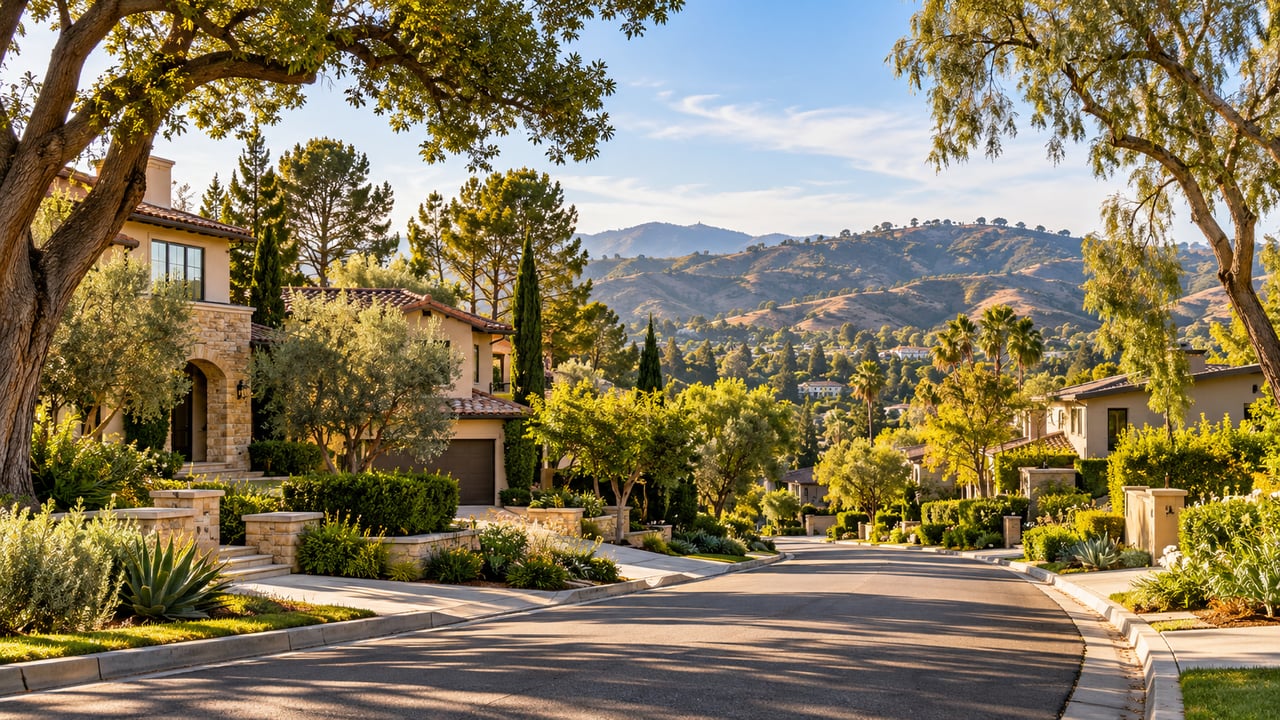
Start with the exact block around a prospective property. Notice road width, sidewalk continuity, driveway access, surrounding land uses, and the relationship between the home and nearby commercial areas.
An address closer to shops may suit one routine, while a more residential setting may suit another. Neither automatically delivers the better experience. Decide which conveniences you want nearby and how much driving you expect to do.
Explore Dining as Part of a Real Visit
A restaurant stop can help you experience the area beyond a showing appointment. Sweetfin at The Village at Topanga is one official business source to explore when planning a visit.
Choose a place you might actually return to, rather than building your impression around a special occasion. Confirm opening hours and menus directly. Notice parking, the route from your candidate home, and how the surrounding streets feel at the time you would normally visit.
Include Outdoor Access in Your Search
The City of Los Angeles lists Warner Center Park among its park facilities. Use the official parks directory to investigate location information and current notices before planning a stop.
Evaluate access in practical terms. A nearby park may still require driving or crossing busy roads. For a home with its own outdoor space, consider shade, usable ground, landscaping responsibilities, and whether the yard supports the activities you enjoy.
Test the Commute You Will Actually Make
Woodland Hills can enter the same search as Encino and Sherman Oaks, but the trip to work may change substantially with the starting address. Measure your exact route during your normal departure times.
Include errands and recurring appointments, not just the office. If you regularly travel to Burbank, Glendale, Studio City, or Beverly Hills, test those trips too. One quiet weekend drive does not establish a reliable weekday commuting experience.
Compare Homes by Function and Upkeep
Look at how the home handles indoor-outdoor living, work space, storage, and daily circulation. Evaluate cooling and shading with qualified guidance where needed, and ask about the condition of major systems.
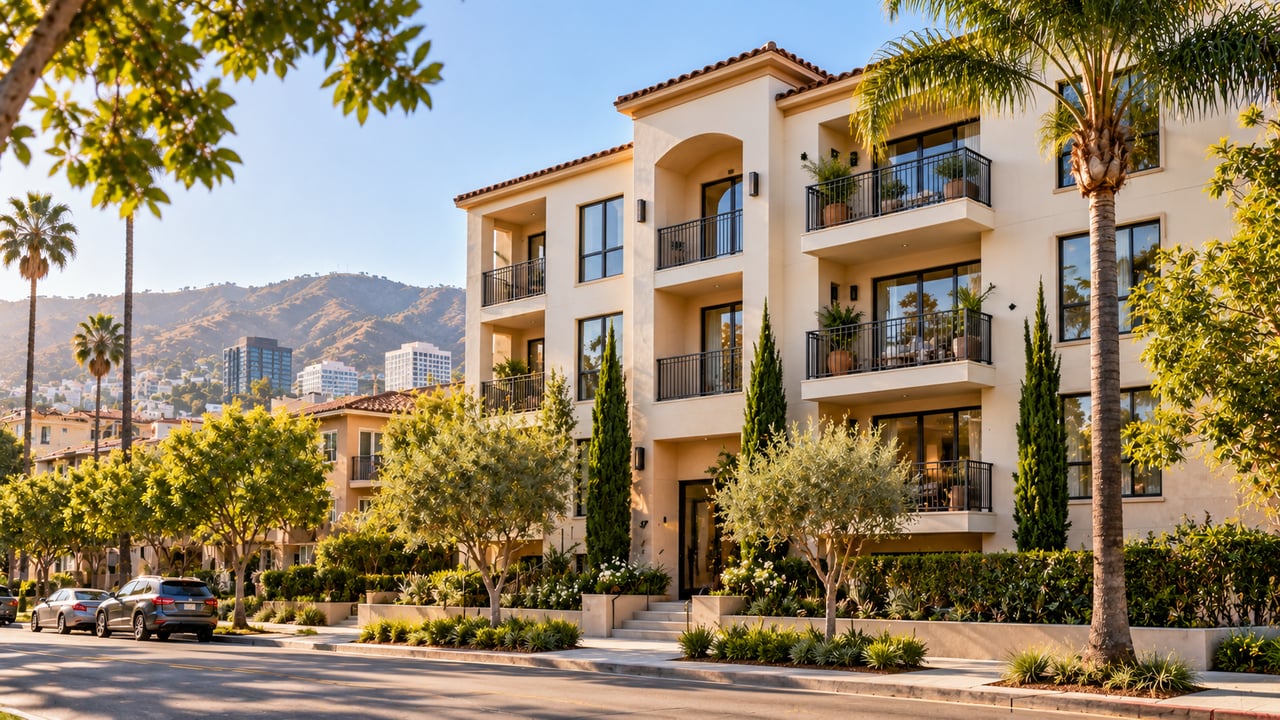
A larger yard or pool may be appealing, but it brings maintenance responsibilities. A condominium changes those responsibilities rather than eliminating them. Compare association dues, insurance, utilities, and planned work alongside the purchase price.
Make a Neighborhood Visit More Informative
Plan a second visit that includes a meal, an outdoor stop, and your typical errands. Walk the immediate blocks where practical, then spend time on the route you would use most often.
Take notes before the experience blends with other areas you are touring. Record what felt convenient, what required more effort, and which questions need further research. This makes a neighborhood comparison more useful than a general impression.
Distinguish Private Amenities From Public Access
A home with a pool, garden, or generous patio may support outdoor routines without frequent trips elsewhere. It also brings responsibilities for care, repairs, and service. Compare those obligations with the way you actually expect to use the space.
For public destinations, confirm opening information and any access requirements close to your visit. Do not assume the experience will stay unchanged through your ownership. The strongest decision combines useful neighborhood opportunities with a home that functions well on its own. Public amenities can enhance daily life, but they should not distract from layout, condition, and a sustainable ownership budget.
Questions to Bring to Your Consultation
Bring observations from your actual visits rather than relying only on general impressions. Note the block that felt comfortable, the trip that took more effort, and the amenity you would use regularly. Those details help connect neighborhood research with a narrower property search. You do not need to choose every preference in advance, but recognizing what improves your daily routine makes the next round of tours more informative.
Your Next-Step Checklist
For each candidate address, record the tested commute, grocery route, dining options, outdoor access, parking experience, and maintenance priorities. Revisit your strongest location at a different time. Use the same checklist when comparing Encino or Sherman Oaks so the decision stays consistent.
FAQs
Is Woodland Hills walkable?
Walkability depends on the specific address, sidewalks, crossings, and destinations. Evaluate your route to the places you would visit rather than relying on an area-wide label.
What should I prioritize when comparing homes?
Start with your routine, budget, and property condition. Then examine outdoor utility, ownership costs, and access. A neighborhood visit supports the decision but does not replace property due diligence.
Take the Next Step With Razmick
Ready to connect your neighborhood priorities with a focused home search? Contact Razmick Ohanian at Christie’s International Real Estate or call (818) 618-9238. Schedule a home-buying consultation to discuss your budget, daily routine, property priorities, and the questions that need answering before your next move.