Love Pasadena’s character homes but not sure what you are looking at? From bungalow porches to red tile roofs and glassy mid century lines, each style tells you something about lifestyle, maintenance, and upgrade needs. In this guide, you will learn how to spot Pasadena’s most common residential styles fast, what to photograph on tours, and what to ask during inspections and planning. Let’s dive in.
How to use this guide
- Start with roof shape, porch type, exterior material, and window patterns. Those four clues identify most homes on a quick drive-by.
- Snap a wide front photo, then close-ups of eaves, columns, windows, and roof material. Add one interior shot that shows layout or signature details.
- As you review photos, check the maintenance notes for each style so you can budget, plan upgrades, and ask the right questions during inspections.
Why Pasadena looks like this
Pasadena boomed from the late 1800s through the mid 1900s. Climate, early patrons, and renowned architects created a rare concentration of intact Craftsman, Spanish Revival, and mid century homes. Neighborhoods and landmarks, including Bungalow Heaven and the Gamble House, highlight how much original character remains. For you as a buyer, style is more than curb appeal. It signals construction methods, typical repairs, and whether future changes may need preservation review.
Arts & Crafts and Craftsman
How to spot it
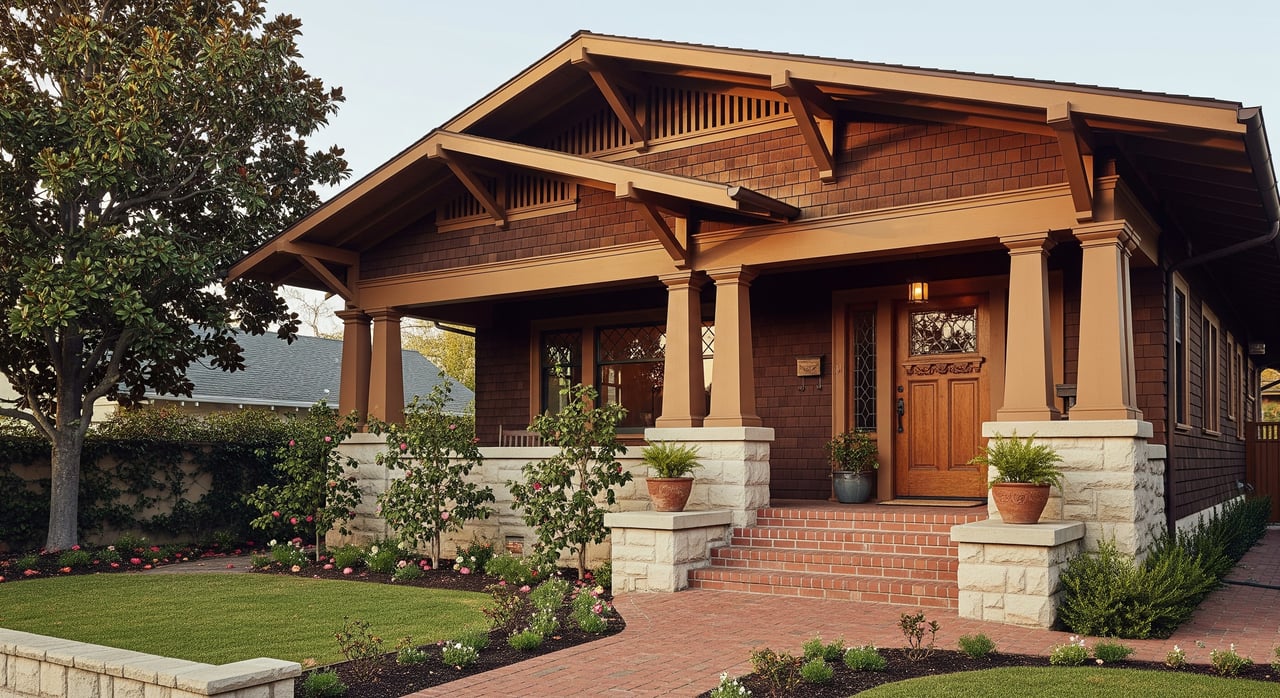
- Low-pitched gabled roofs with wide overhanging eaves and exposed rafter tails.
- Broad porches with tapered square columns on stone or brick piers.
- Natural materials such as wood shingle or clapboard siding, plus grouped windows with multi-pane uppers.
What to photograph
- A full front shot showing the roofline and porch massing.
- Close-ups of rafter tails, the underside of eaves, and column or stone pier details.
- Window glazing patterns and any original built-ins, trim, or hardwood floors.
Maintenance to consider
- Check exposed wood for rot, paint cycles, and termite activity, especially at eaves and porches.
- Original windows and built-ins may have preservation value. Plan for repair rather than replacement where appropriate and verify requirements in historic districts.
- Many homes need insulation and HVAC updates. Ask about foundation type, settling, and any seismic retrofits.
Spanish Colonial, Mission, and Mediterranean Revival
How to spot it
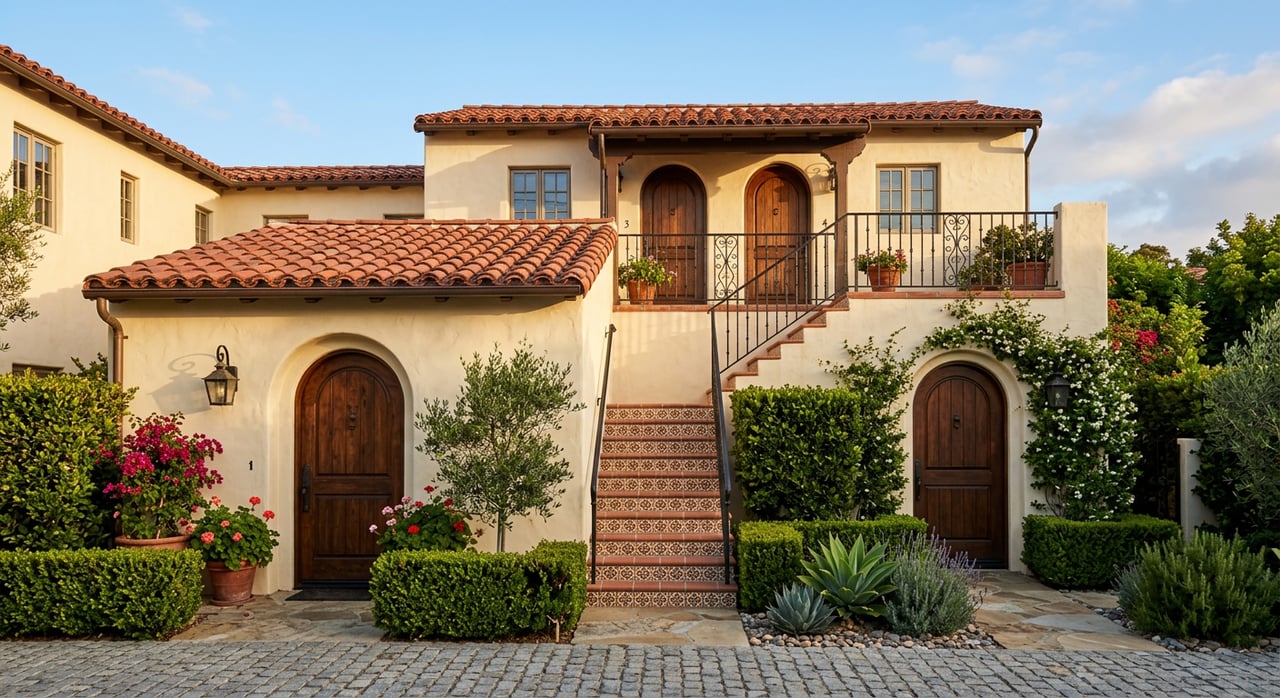
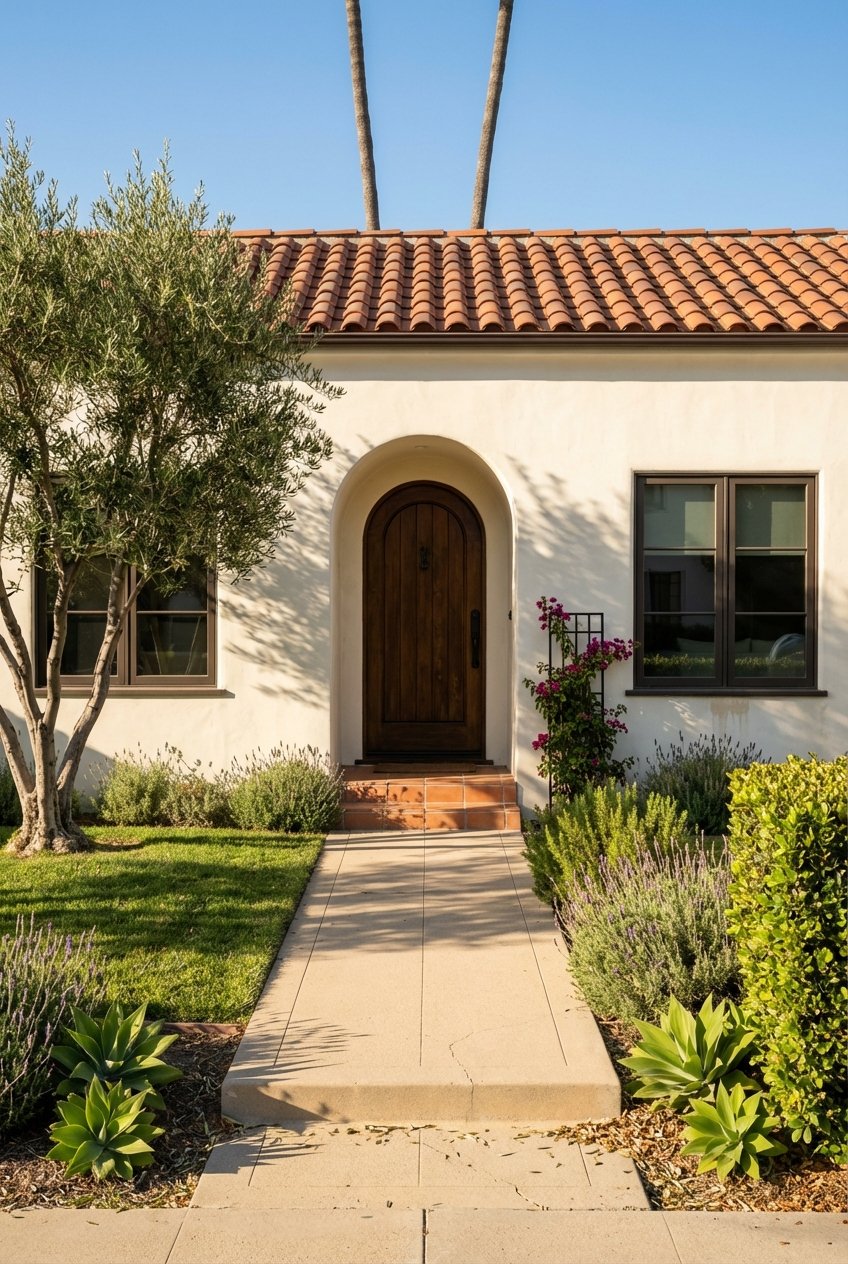
- Smooth stucco walls and red clay barrel tile roofs with low or medium pitch.
- Arched entries and windows, recessed openings, and decorative tile or wrought iron.
- Courtyards, ornamental chimneys, and plaster interiors.
What to photograph
- Rooflines with clay tiles and any arched doorways or windows.
- Stucco texture, flashing at roof junctures, decorative ironwork, and colorful tile, including stair risers.
- Interior plaster finishes, niches, and tile floors.
Maintenance to consider
- Look for hairline stucco cracks and signs of moisture. Ask about flashings, sealants, and weep screed details.
- Clay tile roofs need periodic attention. Verify underlayment age and flashing around chimneys and penetrations.
- Iron near moisture can corrode and tile matching can be specialized. Thick plaster walls may limit easy rewiring or insulation and require skilled trades.
Mid century modern
How to spot it
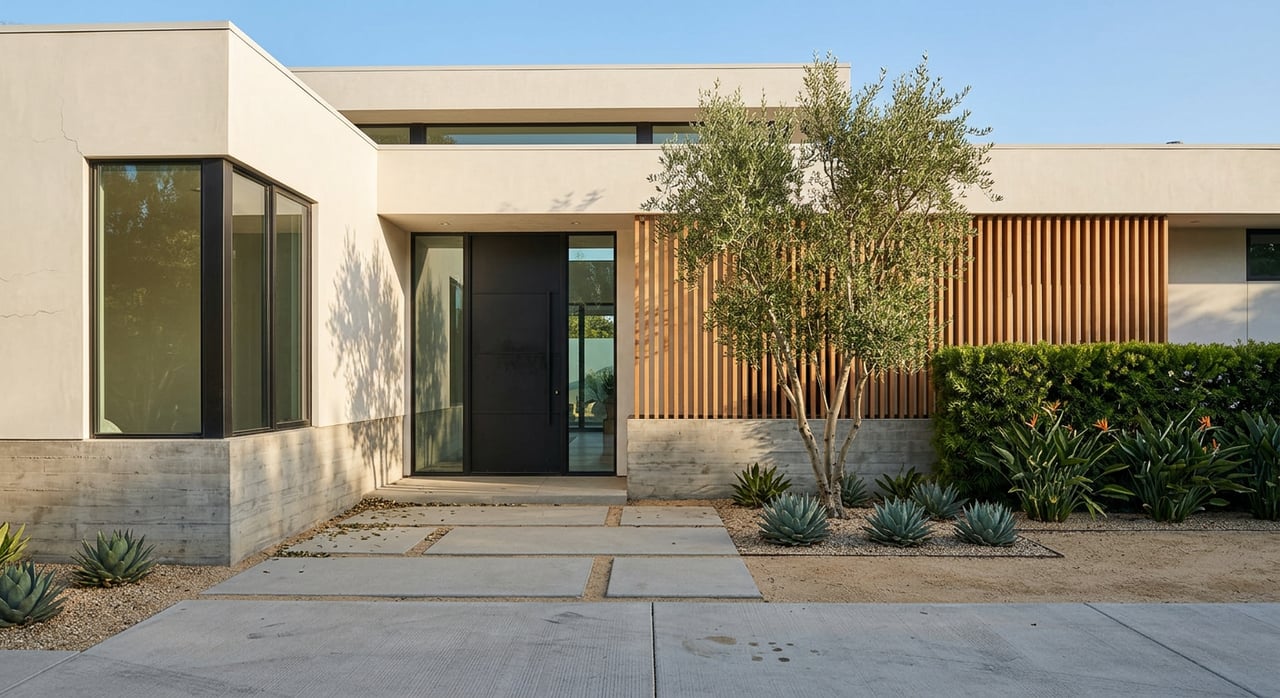
- Strong horizontals, flat or low-slope roofs, carports, and post-and-beam framing.
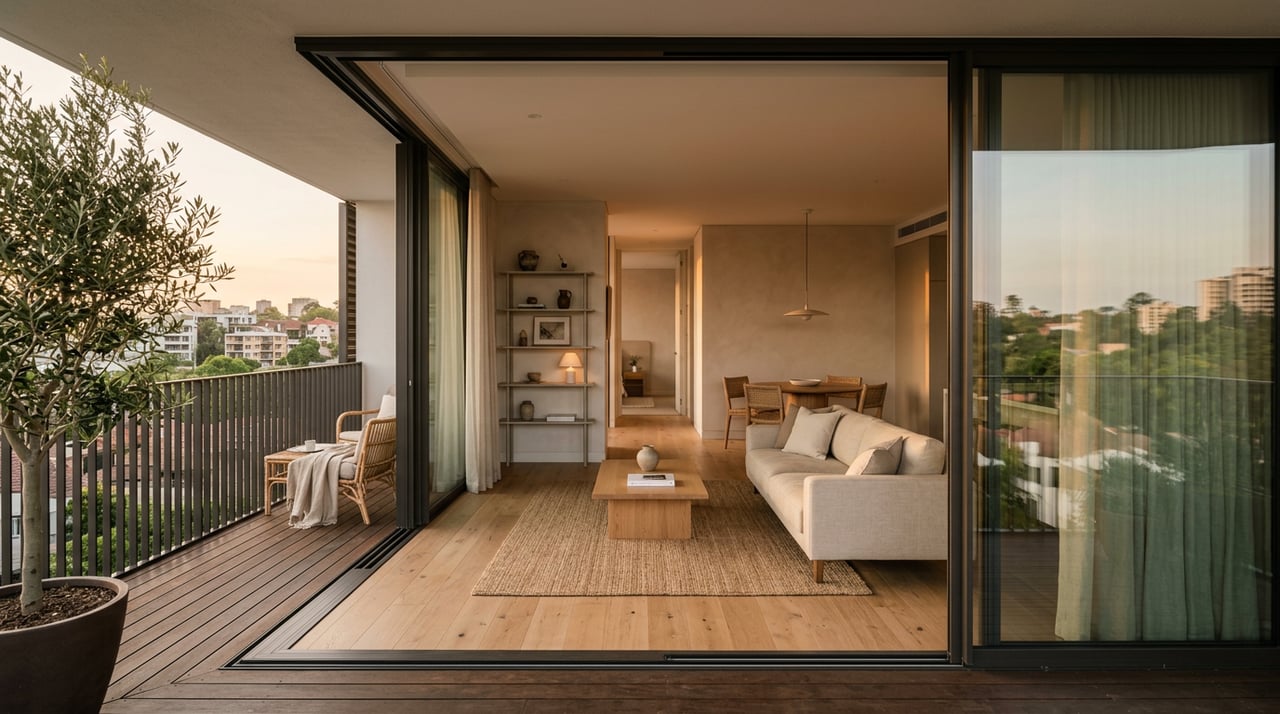
- Large glass expanses, clerestory windows, and sliding doors that blur indoor and outdoor space.
- Minimal ornament with natural materials such as wood and stone.
What to photograph
- A wide shot of the low roofline, glazing, and any exposed beams or cantilevers.
- Flat roof drainage points and transitions where leaks may occur.
- Interior openness, built-ins, and period kitchen or bath details.
Maintenance to consider
- Flat or low-slope roofs can be leak prone. Ask about drainage design and membrane age.
- Large single-pane glass is thermally inefficient. Replacements should preserve proportions and mullions.
- Inspect post-and-beam connections for termite or wood rot. Plan kitchen, bath, and insulation upgrades that protect the original spatial character.
Victorian, Queen Anne, and Tudor Revival
How to spot it
- Victorian and Queen Anne: asymmetrical façades, steep roofs, turrets or bays, and decorative wood trim with varied textures.
- Tudor Revival: steep gables, half-timbering with stucco infill, tall narrow windows, and prominent chimneys with decorative caps.
What to photograph
- Complex roof forms, bay windows, stained or leaded glass, and carved woodwork.
- Exterior masonry, half-timbering details, and chimney caps.
Maintenance to consider
- Many roof valleys and flashing points increase leak risk. Review recent roof work closely.
- Decorative trim and narrow windows require frequent painting and careful repair. Historic review can apply to window changes.
- Masonry chimneys may need repointing. Evaluate chimney safety and seismic performance.
Mixed and later styles
- Streamline Moderne and Art Deco appear mostly in commercial areas, with rare residential examples showing curved corners and horizontal banding.
- Many Pasadena homes are eclectic, blending Craftsman with Mediterranean touches or later additions. Compare current façades to older photos when possible.
- Contemporary remodels can alter footprints and materials. Document permits and evaluate how changes affect function and value.
Regulations and planning essentials
Historic districts and review
Some Pasadena properties are within designated historic districts or are individually recognized. Exterior changes and additions often require design review and permits. Before planning work, contact the City of Pasadena’s Planning Department or Historic Preservation staff for property-specific rules.
Tax and incentive programs
California’s Mills Act can reduce property taxes for qualifying historic homes by contract. Availability and rules vary by city, so verify Pasadena’s program details with city staff or local preservation groups. Federal Historic Rehabilitation Tax Credits focus on income-producing properties rather than typical private residences.
Renovation financing
Programs like FHA 203(k) allow you to finance a purchase and qualified rehabilitation within one loan. Many lenders require permitted work and licensed contractors, especially for structural or mechanical upgrades in older homes. Check current loan rules and local lender availability.
Health and safety in older homes
Pre 1978 homes can have lead-based paint. EPA and HUD rules guide testing, disclosure, and safe renovation. Some mid century materials may contain asbestos, which can require testing and licensed abatement before major work. In seismic areas, evaluate foundations, cripple walls, and unreinforced masonry chimneys, and review retrofit options using FEMA and state guidance.
Quick buyer checklists
Photo tour checklist
- Wide exterior that captures roofline and setting.
- Porch or entry close-up showing columns, eaves, and door.
- Roof material close-up, including tiles, shingles, or flat membrane.
- Window detail showing muntin pattern and frame material.
- Exterior wall finish and foundation detail.
- One interior shot showing layout, built-ins, or flooring.
- Problem spots such as cracks, peeling paint, gutter drainage, and roof valleys.
Inspection and records checklist
- Roof age and leak history, plus drainage at flat or low slopes.
- Visible framing and porch supports checked for rot or termite issues.
- Permits for additions or alterations and any historic approvals.
- Any lead paint or asbestos testing and remediation records.
- Foundation type, settling signs, and seismic bracing status.
- Window and HVAC age, service, and replacement history.
Smart ways to tour homes
- Compare like with like. Put a Craftsman porch detail next to a Spanish tile roof photo to train your eye.
- Use before and after visuals to understand how paint, stucco repair, or window restoration changes a façade.
- Create a short list of style-specific maintenance flags to check on every tour. For example, tile roof underlayment on Spanish Revival or beam connections on mid century.
- Keep a simple scorecard for each property that covers condition, required permits, and likely upgrade scope.
If you want a calm, strategic approach to Pasadena’s historic and design-rich homes, you deserve a trusted advocate who understands style, maintenance, and market value. For tailored guidance, private showings, and a thoughtful plan from first tour to final negotiations, connect with Razmick Ohanian.
FAQs
How can I identify a Pasadena home’s style quickly?
- Start with roof shape and pitch, porch type, exterior material, window patterns, and distinctive details such as arches, exposed rafters, or half timbering.
Will buying in a historic district limit renovations?
- Exterior changes often require design review and permits when a home is designated or within a district. Interior work is usually less restricted, but always verify with city preservation staff.
Are older Pasadena homes more expensive to maintain?
- Costs vary by condition and style. Plan for items like clay tile roof work on Spanish Revival, wood restoration on Craftsman trim, or flat roof replacement on mid century homes.
How do energy upgrades work in historic homes?
- Many improvements are compatible, such as attic insulation, HVAC upgrades, and storm windows. Retain original profiles where possible and use qualified contractors.
What should my inspection emphasize by style?
- Craftsman: wood and foundation. Spanish and Mediterranean: tile roof, flashing, stucco, and drainage. Mid century: flat roof drainage and beam connections. Victorian and Tudor: complex roof areas, trim, and chimneys.
Are renovation loans available for style-sensitive projects?
- Yes. Programs like FHA 203(k) can combine purchase and rehab in one loan. Confirm current program rules and local lender participation.